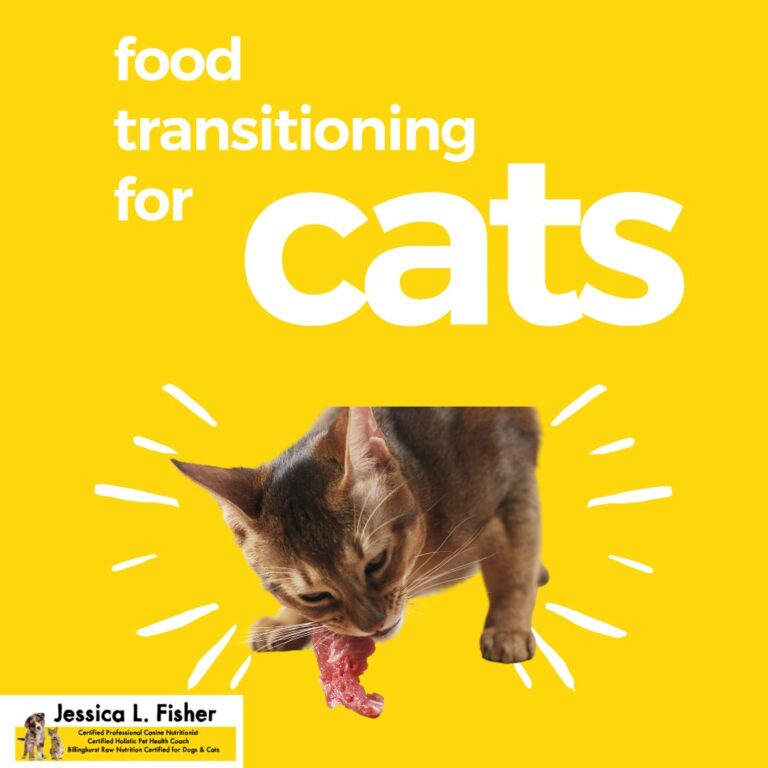
From Kibble Addict to Raw Enthusiast: A Step-by-Step Guide to Transitioning Your Cat
For cat parents, one of the greatest acts of love we can offer is providing our feline companions with the healthiest, most nourishing diet possible. Yet, many of us face the same daunting question: How do I transition my kibble-addicted cat to a raw diet (or simply a better diet) without stress? Cats are notoriously creatures of habit, and for those raised on kibble, the shift to raw food, even canned food, can feel like a Herculean task. But don’t worry—it can be done with patience, persistence, and a plan.
In this guide, we’ll break down everything you need to know to help your cat make the leap from kibble to raw, ensuring a healthier, happier life for your furry friend.
Why Transition to Raw?
Before diving into the how, let’s briefly touch on the why. Kibble, while convenient, is highly processed and often packed with fillers, artificial additives, and carbohydrates that cats—obligate carnivores—simply don’t need. Over time, this can lead to a host of health problems, including obesity, diabetes, dental disease, kidney disease, and urinary tract issues.
Raw feeding, on the other hand, mirrors the natural diet of cats in the wild. It’s rich in high-quality protein, essential amino acids like taurine, and moisture, all of which are critical to your cat’s health. Many pet parents report improved energy, a shinier coat, healthier teeth, and better digestion after making the switch.
Step 1: Stop Free-Feeding
If your cat is accustomed to grazing on kibble throughout the day, the first step is to eliminate free-feeding. Scheduled meal times not only help regulate your cat’s appetite but also create structure around feeding, making the transition process smoother.
- How to Start: Offer two to three meals a day at consistent times. Remove any uneaten kibble after 15-20 minutes.
- Why It Matters: Free-feeding makes it harder to monitor your cat’s hunger levels, which is essential when introducing new foods. Structured meal times also mimic the natural hunting-and-eating rhythm of cats.
Step 2: Transition to High-Quality Canned Food
For cats who have been eating kibble their entire lives, switching directly to raw may be too much of a leap. A middle ground is high-quality canned food.
- What to Look For: Choose canned food with minimal ingredients and a focus on meat proteins. Try to avoid or limit fish based recipes due to larger fish containing high amounts of mercury. Other ingredients to try to avoid include carrageenan, guar gum, xanthan gum, tapioca starch, corn starch, cellulose, BHA, BHT, ethoxyquin, artificial colors, soy gluten, and meat by products.
- How to Introduce: Start by replacing a small portion of your cat’s kibble with wet food, gradually increasing the ratio over 1-2 weeks. Some cats may resist the change, so be patient and persistent.
Step 3: Introduce Raw Food Slowly
Once your cat is eating canned food comfortably, it’s time to start incorporating raw food. This step requires a gradual and methodical approach to ensure success.
Begin with a High-Quality Commercial Raw Diet
For beginners, pre-packaged raw diets are a great option. These are nutritionally balanced and convenient, saving you the trouble of formulating your own recipes.
- How to Start: Begin by mixing a small amount of raw food (no more than 10% of the meal) with your cat’s canned food. Gradually increase the raw portion over several weeks.
- Pro Tip: Warm the raw food slightly to bring it closer to body temperature. Cats often find warm food more enticing as it mimics the temperature of freshly caught prey. To warm the food, place the container in warm water or pour warm water over the food.
Experiment with Protein Sources
Not all cats will love the same proteins. While chicken and turkey are common starting points, some cats may prefer beef, rabbit, or duck. Rotate proteins to find what your cat enjoys most.
- Common Beginner-Friendly Proteins: Ground turkey, chicken thighs, or rabbit.
Step 4: Monitor Progress and Adjust
Every cat transitions at their own pace. Some will take to raw food quickly, while others may need months. The key is to be patient and adjust your approach based on your cat’s response.
Signs of Success:
- Your cat eagerly eats the raw food.
- Improved coat quality and energy levels.
- Better litter box habits (smaller, less odorous stools are common).
Signs of Struggle:
- Refusal to eat.
- Digestive upset (vomiting or diarrhea).
- Weight loss or lethargy.
If your cat resists or shows signs of distress, don’t give up. Take a step back to a previous phase (e.g., canned food) and try again later. Remember, persistence (and patience!) is key. Take things as slow as necessary and always follow your cats pace. It is important to know that you should never let a cat go for more than 24 hours without eating. Overweight cats shouldn’t go for longer than 12-18 hours without eating. Cats are prone to hepatic lipidosis, or fatty liver, which can onset quicker in overweight cats.
Common Challenges (and How to Overcome Them)
1. My Cat Refuses to Try Raw Food
- Solution: Start with raw toppers, such as freeze-dried raw crumbles, sprinkled on their canned food. These can serve as a bridge to fresh raw meals.
2. My Cat Only Eats Certain Textures
- Solution: Cats can be texture-sensitive. Experiment with ground, chunky, or minced raw food to find what your cat prefers.
3. My Cat Is Addicted to Kibble
- Solution: Transitioning from kibble to wet food first is critical. Try crushing a few kibble pieces and sprinkling them over the raw or canned food to encourage interest.
Step 5: Celebrate the Wins
The journey to raw feeding can feel overwhelming at times, but it’s important to celebrate the small victories along the way. Did your cat finally try raw for the first time? Did they finish an entire meal without hesitation? These are all signs of progress worth acknowledging!
Maintaining a Raw-Fed Cat
Once your cat is fully transitioned to raw, the journey doesn’t end. Maintaining a balanced raw diet is crucial to your cat’s long-term health.
- Variety is Key: Rotate protein sources to ensure a wide range of nutrients.
- Follow Proper Food Safety Practices: Always handle raw meat with care, store it properly, and clean food bowls and surfaces thoroughly.
- Regular Vet Check-Ups: Schedule regular check-ups to monitor your cat’s overall health.
Transitioning your cat to a raw diet is one of the most impactful changes you can make for their health. While it may take time, effort, and a bit of trial and error, the rewards are undeniable. Your cat will enjoy improved vitality, a shinier coat, and better digestion—and you’ll have the peace of mind that comes with knowing you’re giving them the best nutrition possible.
Remember, the key to success is patience and persistence. Take things at your cat’s pace, and don’t hesitate to seek support from holistic pet professionals or raw feeding communities. You’ve got this!
Here’s to a healthier, happier life for you and your feline companion!