
Not Everything Is Yeast: A Holistic Guide to Understanding and Addressing Yeast Overgrowth in Dogs
Introduction: Why Yeast Is Often Misdiagnosed
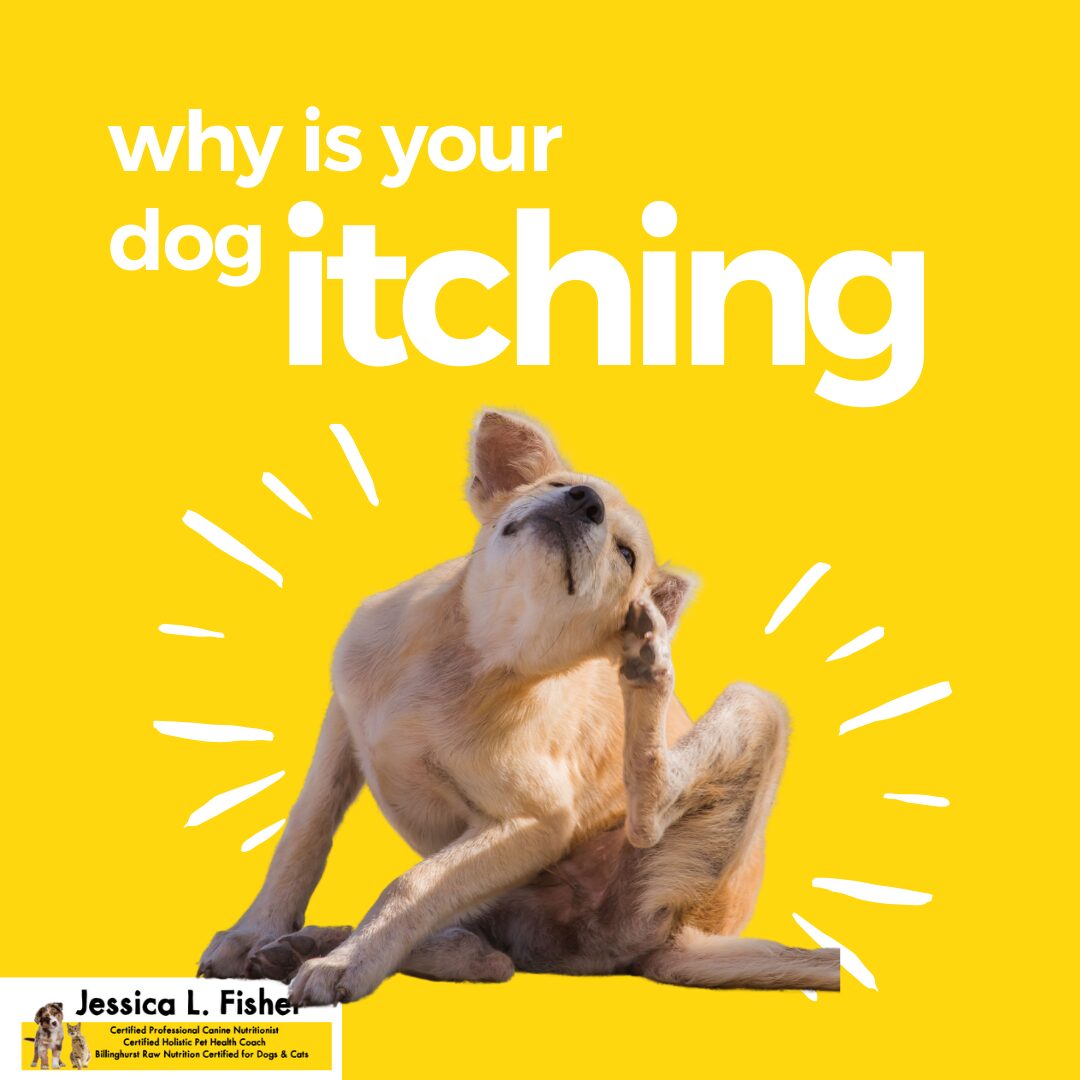
If you’ve ever Googled “why is my dog so itchy,” you’ve probably come across yeast as a potential culprit. It’s no wonder so many pet parents jump to conclusions when their dog’s ears smell like corn chips, or their paws are red and swollen. Yeast overgrowth has become the “go-to” diagnosis for many frustrated pet parents—but what if it’s not yeast at all?
Understanding what’s really causing your dog’s discomfort is the first step to effective treatment. Yeast might be the problem, but it’s not always the answer. Let’s dig into how to identify yeast overgrowth, what else might look like yeast, how yeast could be secondary to a much bigger issue, and how to help your dog heal—naturally and holistically.
What Is Yeast Overgrowth in Dogs?
Yeast is a naturally occurring microorganism that lives on your dog’s skin and in their gut. Specifically, a type of yeast called Malassezia is part of a healthy microbiome. The problem arises when yeast grows out of control, leading to uncomfortable symptoms.
Signs of yeast overgrowth in dogs:
- Persistent itching (especially in the ears, paws, and skin folds)
- A musty, “corn chip” odor
- Greasy or flaky skin
- Red, inflamed, or crusty patches of skin
- Brown discharge in the ears
Yeast overgrowth is a sign that something deeper is happening, like an imbalance in your dog’s gut or immune system. But here’s the catch: not all itchy, red skin means yeast.
Why Not Everything Is Yeast
Many conditions mimic yeast symptoms, making it easy to misdiagnose. Ruling out other possibilities is essential to finding the right treatment for your dog.
Conditions that look like yeast:
- Allergies: Environmental or food allergies often cause redness, itching, and inflammation.
- Food Sensitivities: Can have similar symptoms to environmental allergies, but dysbiosis is the underlying concern.
- Bacterial Infections: These can appear as crusty or red skin and may even coexist with yeast.
- Heavy Metal Toxicity: A burden of heavy metals can have similar symptoms to food sensitivities.
- Parasites: Mites, like demodex, can cause hair loss and itching that resembles yeast.
- Hormonal Imbalances: Conditions like hypothyroidism can create skin issues that mimic yeast overgrowth.
The Importance of Diagnosis: Getting a definitive answer is crucial. Veterinary diagnostics, such as cytology (looking at skin cells under a microscope), can confirm if yeast is present. This step eliminates guesswork and ensures your dog gets the right care.
How to Identify True Yeast Overgrowth
If you suspect yeast, here’s how to confirm it:
- Monitor Patterns: Is the itching seasonal, or does it happen year-round?
- Check Hotspots: Yeast thrives in warm, moist areas like ears, paws, and skin folds.
- Sniff Test: A distinct, musty smell is a hallmark of yeast.
- Visit Your Vet: Request a cytology test to confirm yeast and rule out other issues.
Additional diagnostics that can help determine the best steps to take regardless if yeast is or is not present:
- HTMA (Hair Tissue Mineral Analysis), like the one from Parsley Pet, analyzes mineral levels and heavy metal toxicity in the body using hair.
- Fecal Gut Test, like Innovative Pet Lab, tests your dogs gut function for digestion, inflammation and a strong intestinal lining.
- Microbiome testing, like Animal Biome, tests the balance of bacteria in the gut microbiome.
What Causes Yeast to Overgrow?
Yeast overgrowth doesn’t happen randomly. It’s often triggered by underlying factors, such as:
- Poor Diet: Highly processed kibble or carb-heavy diets feed yeast.
- Overuse of Medications: Antibiotics and steroids can disrupt the microbiome, allowing yeast to thrive.
- Chronic Stress: Stress weakens the immune system, creating opportunities for imbalance.
- Gut Dysbiosis: An imbalance in gut bacteria directly impacts skin health.
Remember, yeast overgrowth is a symptom of a larger problem. To fix it, you’ve got to address the root cause.
What to Do If It’s Yeast
If yeast is confirmed, there’s good news: with the right approach, you can help your dog find relief and restore balance.
1. Work on Gut Health
Healing your dog’s gut is the foundation for resolving yeast issues. A leaky gut protocol, like the one I offer, can repair the gut lining, support the immune system, and prevent future imbalances.
2. Add Beneficial Yeasts
Yes, you can fight yeast with yeast! Saccharomyces boulardii is a beneficial yeast that crowds out harmful yeast while supporting gut health. It’s a powerful ally in rebalancing your dog’s microbiome.
3. Incorporate Fermented Foods
Fermented foods are packed with probiotics that restore balance. Some great options include:
- Fermented veggies
- Kefir (dairy or coconut-based)
- Raw goat milk
Start small, introducing a teaspoon or two to your dog’s meals, and monitor their reaction.
What If It’s Not Yeast?
If yeast isn’t the problem, don’t worry. There are still steps you can take to help your dog:
- Explore Allergies and Sensitivities: An elimination diet can identify food sensitivities.
- Address Infections: Natural remedies can often help calm irritation
- Manage the Environment: Wipe your dog’s paws after walks and keep their living space clean to reduce irritants.
Collaborating with a holistic pet health coach can make all the difference.
Why You Don’t Have to Do This Alone
Figuring out the root cause of your dog’s symptoms can feel overwhelming. That’s where I come in. As a certified holistic pet health coach, I specialize in helping pet parents uncover the truth behind their dog’s health struggles and create customized plans to help you and your pet get back on track.
What I offer:
- Gut health protocols
- Tailored nutrition plans
- Natural remedies for yeast and other conditions
I’ve worked with countless pet parents who felt hopeless, and together, we’ve helped their dogs thrive. You don’t have to go through this alone. Choose the package that is right for your needs, or reach out to me if you have a question about how to best move forward.
Finding Clarity and Relief for Your Dog
Your dog deserves relief from itching, redness, and discomfort—and you deserve peace of mind. By understanding what’s really causing their symptoms, you can take meaningful steps toward healing. Whether it’s yeast or something else, there’s a path forward.
If you’re ready to uncover the root cause and create a plan for your dog’s health, let’s work together. Book a consultation with me today, and let’s give your dog the happy, healthy life they deserve.